
Furnace Filter MERV Ratings Explained: Choosing the Right Filter for Your Air
Reading time: 12 minutes
Ever stared at a wall of furnace filters at the hardware store, completely overwhelmed by numbers, acronyms, and competing claims? You’re in excellent company. Millions of homeowners in 2026 still grab whatever filter is on sale — and quietly pay the price in allergies, HVAC repairs, and sky-high energy bills. Let’s change that today.
Here’s the straight talk: choosing the right furnace filter isn’t about buying the most expensive one. It’s about understanding what MERV ratings actually mean, matching that knowledge to your specific home environment, and making a strategically smart decision. This guide will take you from confused to confident — fast.
Table of Contents
- What Is a MERV Rating and Why Does It Matter?
- Breaking Down the MERV Scale: From 1 to 16
- MERV Ratings Compared: A Quick Reference Guide
- Choosing the Right MERV Rating for Your Home
- 3 Common Mistakes Homeowners Make with Furnace Filters
- Air Quality Impact: MERV Performance at a Glance
- Frequently Asked Questions
- Your Clean Air Action Plan: Next Steps
What Is a MERV Rating and Why Does It Matter?
MERV stands for Minimum Efficiency Reporting Value. It’s a standardized measurement system developed by the American Society of Heating, Refrigerating and Air-Conditioning Engineers (ASHRAE) that tells you exactly how effective a furnace filter is at capturing airborne particles of various sizes. The scale runs from 1 (lowest filtration) to 20 (highest filtration used in hospital-grade environments).
Think of it like sunscreen SPF ratings — the higher the number, the more protection you get. But just as SPF 100 sunscreen isn’t always necessary for a quick walk to the mailbox, a MERV 16 filter isn’t always appropriate for a standard residential HVAC system.
According to the U.S. Environmental Protection Agency’s 2025 Indoor Air Quality report, Americans spend approximately 90% of their time indoors, and indoor air can be two to five times more polluted than outdoor air. With increasingly severe wildfire seasons through 2025 pushing particulate matter into homes across the western United States and Canada, the conversation around indoor filtration has never been more urgent.
The EPA’s updated 2026 residential air quality guidelines now specifically recommend homeowners evaluate their filter choices at least twice per year — a shift from the previous annual recommendation, reflecting growing awareness of seasonal pollution spikes.
How MERV Measurements Actually Work
MERV ratings are determined by testing filters against particles in three size ranges:
- E1 particles (0.3–1.0 microns): Bacteria, smoke particles, microscopic allergens
- E2 particles (1.0–3.0 microns): Mold spores, fine dust, pet dander fragments
- E3 particles (3.0–10.0 microns): Larger dust, pollen, dust mites, cockroach debris
A filter earns its MERV rating based on its worst-case performance across these ranges. That’s actually reassuring — it means the number on the box is a conservative, reliable baseline, not a best-case marketing figure.
MERV vs. MPR vs. FPR: Clearing Up the Confusion
Walk into any big-box hardware store in 2026, and you’ll see three different rating systems on filter packaging. Here’s what each one means:
- MERV (1–20): The industry-standard ASHRAE rating. Universal, third-party verified, the most trustworthy benchmark.
- MPR (Microparticle Performance Rating, 300–2800): A proprietary scale created by 3M for their Filtrete brand filters. Higher MPR generally corresponds to higher MERV — for example, MPR 1500 roughly equates to MERV 12.
- FPR (Filter Performance Rating, 4–10): Home Depot’s private label rating system used by their HDX and select other brands. FPR 7 roughly corresponds to MERV 11–12.
Pro Tip: When in doubt, always look for the MERV rating. It’s the only universally standardized, independently verified metric. MPR and FPR can be useful guides within their respective brand ecosystems, but MERV gives you true apples-to-apples comparison shopping power.
Breaking Down the MERV Scale: From 1 to 16
Let’s walk through the practical residential MERV range — from entry-level filtration to high-performance air cleaning — and talk about who each tier is actually designed for.
MERV 1–4: Basic Protection (The Bare Minimum)
These are the thin, blue-fiberglass filters that cost about a dollar apiece. They capture large particles like carpet fibers, standing dust, and insects — but essentially nothing smaller. Their primary purpose is protecting your HVAC equipment from debris, not improving your air quality.
Who should use them: Almost nobody in a home environment. They’re sometimes appropriate for vacation cabins or workshops where air quality isn’t a priority and minimal airflow restriction matters most. If you’re still using these in your primary residence in 2026, it’s time for an upgrade.
MERV 5–8: Solid Mid-Range Performance (The Sweet Spot for Many Homes)
This range captures mold spores, dust mites, pet dander, and most pollen particles. MERV 8 is widely considered the minimum recommended rating for residential use by most HVAC professionals. A good MERV 8 pleated filter typically retails for $8–$18 and lasts one to three months depending on household conditions.
Real example: The Rodriguez family in Phoenix, Arizona switched from MERV 4 fiberglass filters to MERV 8 pleated filters in early 2025. Within two months, their daughter’s seasonal allergy medication usage dropped noticeably, and their HVAC technician noted significantly less dust buildup in the system during the annual spring checkup.
MERV 9–12: Enhanced Filtration (Ideal for Allergy and Asthma Households)
Here’s where meaningful air quality improvements become measurable. MERV 9–12 filters capture fine dust, Legionella bacteria, lead dust, auto emission particles, and even some smoke particles. These filters are particularly valuable in homes with:
- Asthma or allergy sufferers
- Infants or elderly residents
- Multiple pets
- Proximity to highways, industrial zones, or wildfire-prone areas
According to a 2025 study published in the Journal of Allergy and Clinical Immunology, households using MERV 11 or higher filters reported a 34% reduction in allergy symptom frequency compared to those using MERV 6 or lower, over a six-month period.
Important caveat: Higher MERV means more airflow resistance. Before jumping to MERV 11 or 12, confirm your HVAC system is rated to handle it — more on this in the common mistakes section.
MERV 13–16: Near-Hospital Grade (Specialty Use Cases)
MERV 13 has become something of a household name since the COVID-19 pandemic, with the CDC recommending it in schools and public buildings. At this level, filters capture droplet nuclei, bacteria, and particles carrying respiratory viruses. MERV 16 approaches HEPA-level performance.
However, these filters come with significant trade-offs for residential use. They’re expensive ($25–$60+ per filter), restrict airflow substantially, and require more frequent replacement. Unless your home has a high-capacity HVAC system specifically designed for high-MERV filtration, installing a MERV 16 in a standard furnace can actually reduce system efficiency and increase energy costs.
MERV Ratings Compared: A Quick Reference Guide
| MERV Range | Particles Captured | Best For | Avg. Cost (2026) | Replace Every |
|---|---|---|---|---|
| MERV 1–4 | Large dust, carpet fibers, insects | Workshop, storage spaces | $1–$4 | 30 days |
| MERV 5–8 | Dust mites, mold spores, pollen, pet dander | Most standard homes | $8–$18 | 60–90 days |
| MERV 9–12 | Fine dust, Legionella, lead dust, smoke particles | Allergy/asthma sufferers, pet-heavy homes | $15–$30 | 45–60 days |
| MERV 13–14 | Bacteria, virus carriers, smoke, all previous | Medical needs, wildfire zones, immunocompromised residents | $25–$45 | 30–45 days |
| MERV 15–16 | Nearly all particles, near-HEPA performance | Commercial/medical settings, specialized HVAC systems | $45–$70+ | 30 days or less |
Choosing the Right MERV Rating for Your Home
Here’s a practical framework for narrowing down your ideal MERV rating. Think of it as a decision matrix with four key variables: household occupants, pets, location, and HVAC system capacity.
The Household Occupant Factor
Who lives in your home should be the first question you ask. The American Academy of Allergy, Asthma & Immunology (AAAAI) updated its residential filtration recommendations in January 2026, and the guidance is now more specific than ever:
- Healthy adults only, no allergies: MERV 8 is sufficient.
- Children under 5 or adults over 65: MERV 10–11 recommended.
- Anyone with asthma, allergies, or respiratory conditions: MERV 11–13 minimum.
- Immunocompromised individuals: MERV 13–14, combined with supplemental HEPA air purifiers.
The Pet Variable
One cat or dog in a home can increase particulate loading by 40–60% compared to a pet-free household, according to a 2025 HVAC industry analysis by the Air Conditioning Contractors of America. Two or more pets typically warrant a one-tier upgrade in MERV rating — and a reduced replacement schedule. A household with two large dogs should be looking at MERV 10–11 and replacing filters every 30–45 days, not the standard 60–90.
Location and Environmental Context
Where you live matters enormously in 2026’s changing climate landscape. Consider upgrading your MERV rating if any of these apply:
- Wildfire zones (Western US, parts of Canada, Pacific Northwest): MERV 13 during fire season. The 2025 fire seasons across California, Oregon, and British Columbia drove demand for MERV 13 filters to record highs, with many retailers reporting stock shortages from July through October.
- Urban environments near high-traffic roads: MERV 11+ to address diesel particulate matter and tire rubber microparticles.
- High-humidity climates (Southeast US, Gulf Coast): Look for filters with antimicrobial treatment to prevent mold growth within the filter media itself.
- Newly renovated homes: Use MERV 8–10 during and immediately after renovation, then reassess once dust settles.
Knowing Your HVAC System’s Limits
This is where many DIY homeowners make costly mistakes. Your furnace and air handler were engineered with a specific static pressure rating — essentially, how hard they can work to push air through a filter. A high-MERV filter with dense filtration media acts like a partially blocked pipe, forcing your blower motor to work harder.
Quick scenario: Imagine installing a MERV 14 filter in a 1990s-era furnace rated for MERV 8. Initially, your air feels cleaner. But within weeks, reduced airflow causes the heat exchanger to overheat, the system short-cycles, and by winter you’re facing a $1,200 repair bill — far exceeding any air quality benefit gained.
Check your furnace or air handler manual, or call your HVAC manufacturer’s customer service line. In 2026, most major brands (Carrier, Trane, Lennox, Goodman) publish their MERV compatibility ratings online. When in doubt, ask a certified HVAC technician before upgrading more than two MERV tiers at once.
3 Common Mistakes Homeowners Make with Furnace Filters
Mistake #1: Installing Too-High MERV Ratings Without System Assessment
As discussed above, this is the most expensive mistake. The fix is straightforward: verify your system’s rated MERV compatibility before purchasing. If your system caps out at MERV 10, running a MERV 13 creates airflow restriction that raises energy consumption by an estimated 15–25% and accelerates motor wear. The better solution for households needing hospital-grade air quality is pairing a MERV 10–11 furnace filter with standalone HEPA air purifiers in key rooms.
Mistake #2: Not Replacing Filters on Schedule
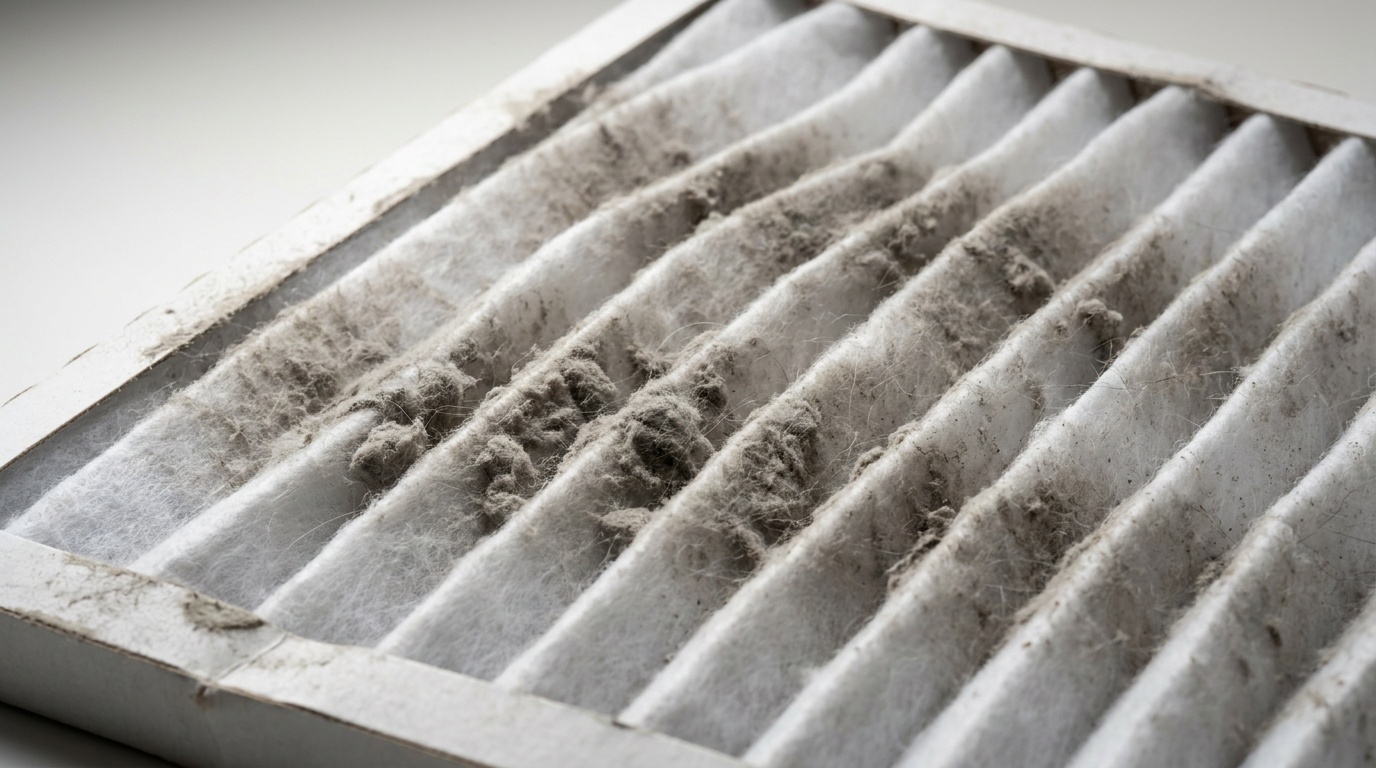
An overdue filter doesn’t just fail to clean your air — it actively becomes a pollutant source. Once saturated, filters can release captured particles back into the airstream and become breeding grounds for mold and bacteria. A 2024 consumer survey by HVAC distributor Johnstone Supply found that 47% of homeowners admitted to going more than 90 days between filter changes, regardless of their filter type. Set a recurring reminder in your phone calendar or subscribe to a filter delivery service — several excellent options exist in 2026, including FilterEasy, Second Nature, and Amazon’s Subscribe & Save program, which have made keeping up with schedules significantly easier.
Mistake #3: Ignoring Filter Fit and Bypass Gaps
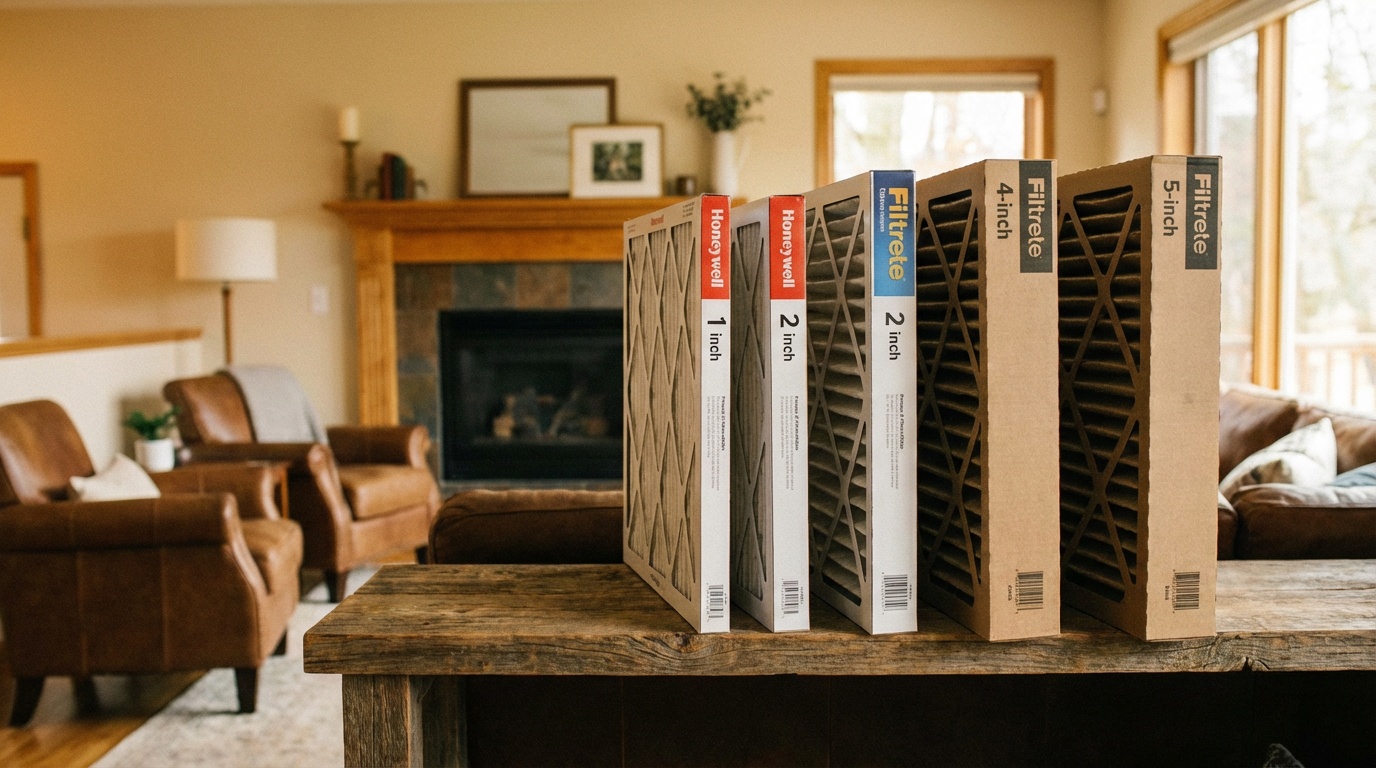
A MERV 13 filter with a quarter-inch gap around the frame is functionally useless. Air — like water — finds the path of least resistance. Even small gaps allow unfiltered air to bypass the media entirely. Always measure your filter slot precisely (length × width × depth), purchase filters that match exactly, and check for proper seating after installation. If you notice light showing around the filter edges, use foam weatherstripping tape to seal the gap.
Air Quality Impact: MERV Performance at a Glance
The chart below visualizes the particle capture efficiency of common residential MERV ratings for particles in the 1–3 micron range — the size range most relevant to allergens, bacteria, and fine particulate matter.
Particle Capture Efficiency by MERV Rating (1–3 Micron Range)
Source: ASHRAE Standard 52.2 efficiency classifications, adapted for residential context (2025 data)
The jump from MERV 8 to MERV 11 represents a meaningful efficiency leap for the particle sizes that matter most to human health. Notice that moving from MERV 13 to MERV 16 yields only an 8% efficiency gain — often not worth the trade-offs in residential systems.
Frequently Asked Questions
Can using a higher MERV filter actually damage my furnace?
Yes, it genuinely can — particularly in older systems or those with smaller blower motors. Higher MERV filters have denser filtration media that restricts airflow, increasing the static pressure your system must overcome. Over time, this causes the blower motor to run hotter and work harder, shortening its lifespan. It can also cause the heat exchanger to overheat and crack — a hazard that can introduce carbon monoxide into your home. Always verify your HVAC system’s maximum rated MERV before upgrading. If your system is rated for MERV 8 and you want MERV 13-level air quality, supplement with standalone HEPA purifiers rather than forcing an incompatible filter into your furnace.
How often should I actually change my furnace filter in 2026?
The honest answer is: more often than the packaging suggests, in most real-world homes. While manufacturers often print “replace every 90 days” on packaging, that figure assumes a single-occupant, no-pet, low-dust environment. In practice, a home with two pets, children, and normal activity patterns should change a MERV 8–11 filter every 30–45 days. If you live in an area affected by wildfire smoke, construction, or high pollen counts — all increasingly common across North America in 2026 — inspect your filter monthly and replace it when it looks visibly gray or clogged, regardless of how recently it was installed. A $15 filter replaced monthly costs far less than a $2,000 HVAC repair caused by an overworked system.
Is a MERV 13 filter the same as a HEPA filter?
No — and this is one of the most common misconceptions in home air quality management. True HEPA (High-Efficiency Particulate Air) filters meet a standard of capturing at least 99.97% of particles at 0.3 microns, which roughly corresponds to MERV 17 on the ASHRAE scale. MERV 13 captures approximately 90% of particles in the 1–3 micron range and around 50% in the 0.3–1 micron range — excellent performance for a residential furnace filter, but meaningfully below true HEPA. The practical distinction matters because HEPA filters are too restrictive for standard residential HVAC ductwork and are used instead in standalone air purifiers with dedicated fans sized for that resistance. Think of MERV 13 as the best residential furnace filter option for most systems, and standalone HEPA purifiers as your complementary tool for room-level ultra-fine particle control.
Your Clean Air Action Plan: Next Steps
Here’s the good news: you now have everything you need to make a genuinely informed furnace filter decision — one that balances air quality, system health, and budget in a way that’s specific to your home. The indoor air quality landscape in 2026 is increasingly shaped by climate-driven pollution events, tighter building envelopes, and growing awareness of particulate health risks. Your filter choice is no longer a minor maintenance task — it’s a meaningful health decision.
Your practical four-step action plan:
- Audit your household profile today. Write down your occupants’ health needs, number of pets, geographic location, and any known sensitivities. This five-minute exercise will immediately clarify the MERV range that’s right for you.
- Check your HVAC manual or manufacturer website. Confirm the maximum MERV rating your system is designed to handle. If you can’t find it, a quick call to a certified HVAC technician is worth the time before your next purchase.
- Set up an automatic filter subscription. Use FilterEasy, Second Nature, or Amazon Subscribe & Save to receive the right filters at the right interval. Remove the guesswork — and the forgotten replacement — from the equation entirely.
- Consider a strategic layered approach. Use the highest MERV rating your HVAC system comfortably supports, then add portable HEPA air purifiers in bedrooms and living areas for comprehensive coverage. In 2026, energy-efficient HEPA purifiers are available at remarkable price points, making this dual-layer strategy accessible to most households.
Key takeaways to carry forward:
- MERV 8 is the residential minimum; MERV 11–13 is the target for health-conscious homes
- Higher MERV isn’t automatically better — your HVAC system’s capacity is the limiting factor
- Filter replacement frequency matters as much as MERV rating selection
- Bypass gaps make even the best filter ineffective — fit and seal matter
- The MERV standard is your most trustworthy comparison tool across brands
As climate volatility continues to reshape air quality conditions across North America — with wildfire seasons extending into previously unaffected regions and urban particulate levels remaining a public health concern — the choices you make about indoor filtration carry real, measurable consequences for the people breathing that air every day.
Here’s a question worth sitting with: If you could eliminate one-third of your household’s allergy symptoms, reduce your HVAC maintenance costs, and breathe measurably cleaner air — all with a $20 filter swap and a calendar reminder — what’s been stopping you? The answer, most likely, was just not having the right information. Now you do. What will you change first?
Article reviewed by Hans Müller, Industrial Architecture & Concrete Restoration Specialist, on May 4, 2026