
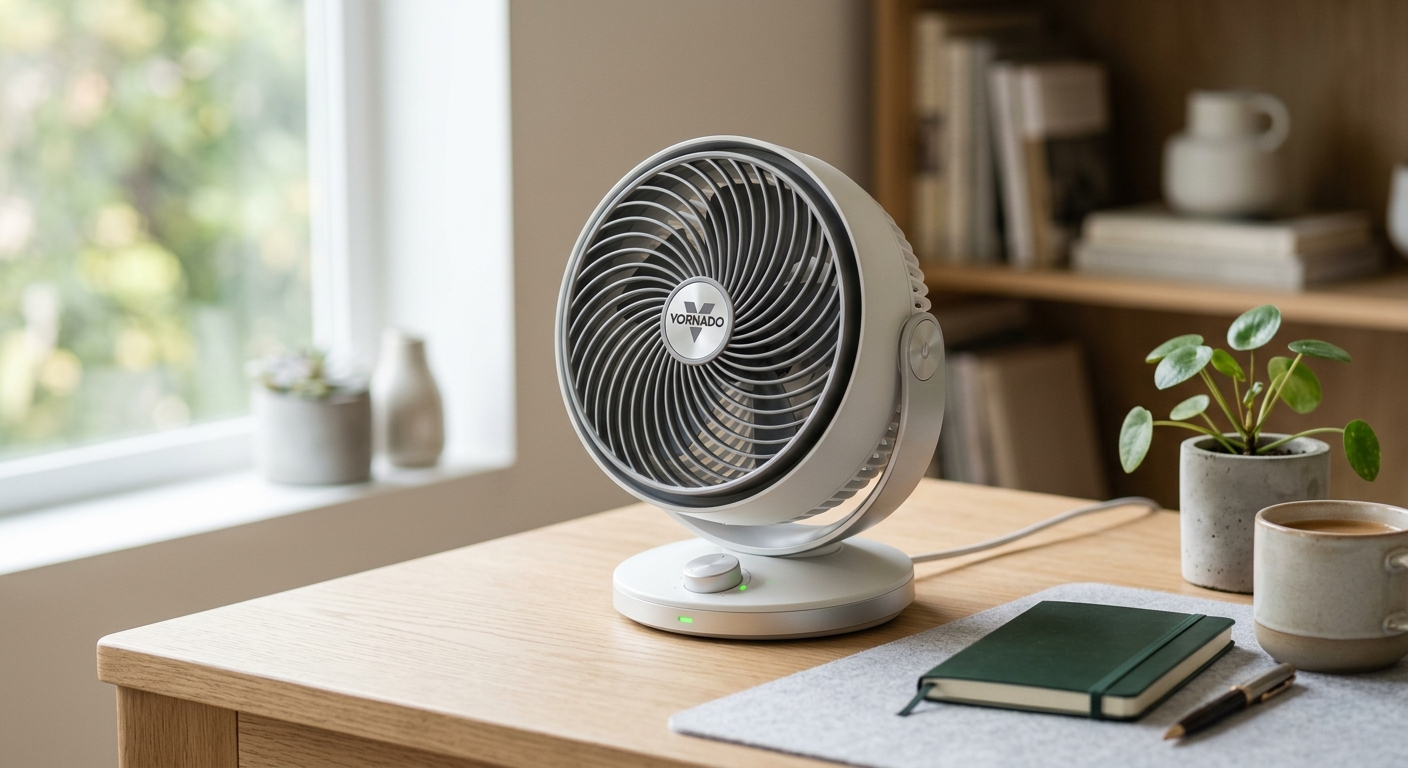
Keep Small Rooms Cool This Summer Without Air Conditioning
Reading time: 12 minutes
It’s July 2026, your bedroom feels like a slow cooker, and the electricity bill from last month is still stinging. Sound familiar? You’re not alone. According to the U.S. Energy Information Administration, residential cooling costs rose another 8% in 2025, and with global average temperatures continuing to climb, the pressure to find smarter, cheaper alternatives has never been more real.
But here’s the honest truth most people miss: air conditioning isn’t the only path to a comfortable summer. In fact, for small rooms — bedrooms, home offices, studio apartments, nurseries — targeted, low-cost strategies can be remarkably effective. The key is understanding how heat moves, and then systematically blocking, deflecting, or expelling it.
Whether you’re renting and can’t install HVAC, living off-grid, trimming your carbon footprint, or just tired of sky-high power bills, this guide is built for you. We’ll walk through science-backed strategies, real-world examples, a cost comparison table, and a clear action plan you can start implementing today.
Table of Contents
- Why Small Rooms Heat Up Faster (And Why That’s Actually Good News)
- Passive Cooling Fundamentals: Work With Physics, Not Against It
- Airflow Strategies That Actually Work
- Blocking Heat at the Source: Windows, Walls, and Floors
- Evaporative and Personal Cooling Solutions
- Cost Comparison: No-AC Cooling Methods at a Glance
- Real-World Examples: How Three People Beat the Heat in 2025
- Common Challenges and How to Overcome Them
- Frequently Asked Questions
- Your Cool Room Action Plan: Start Tonight
Why Small Rooms Heat Up Faster (And Why That’s Actually Good News)
Small rooms have a higher surface-area-to-volume ratio than larger spaces. In plain English: more wall, floor, and ceiling surface relative to the air inside. That means heat radiating from those surfaces — sun-warmed walls, a hot roof overhead, a computer running all day — warms the air more quickly and more intensely.
A 10 ft × 10 ft bedroom with 8-foot ceilings holds roughly 800 cubic feet of air. Compare that to a 20 ft × 20 ft living room, which holds 3,200 cubic feet. The same amount of heat gain will raise the temperature in the small room four times faster.
Here’s the flip side of that equation — and this is actually great news: because the volume is smaller, you need far less cooling energy to bring temperatures down. A single well-placed fan, a strategically opened window, or a compact evaporative cooler can have a dramatic effect in a 100 sq ft room. The same intervention would be nearly invisible in a large open-plan space.
This is why targeted, non-AC strategies work especially well for small rooms. You don’t need to cool an entire house. You just need to cool your space, when you’re in it.
Passive Cooling Fundamentals: Work With Physics, Not Against It
Before you buy a single gadget, it’s worth understanding the foundational concept that underpins nearly every effective strategy in this guide. Passive cooling refers to techniques that reduce heat gain and increase heat dissipation in a building without the use of mechanical systems. These methods draw on natural physics — convection, radiation, evaporation, and conduction — to manage temperature.
The Three Enemies of a Cool Room
Understanding where heat comes from lets you fight it at the source rather than chasing it after the fact. In a typical small room, heat enters and builds through three primary mechanisms:
- Solar radiation: Sunlight passing through windows and heating walls accounts for up to 40% of indoor heat gain in summer, according to the Department of Energy’s 2025 residential heat analysis.
- Conduction: Heat traveling through walls, floors, and ceilings from hot outdoor surfaces. A roof surface on a sunny afternoon can reach 150–180°F (65–82°C) and radiate heat downward for hours after sunset.
- Internal heat generation: Your body generates approximately 100 watts of heat at rest. A laptop adds another 45–65 watts. Lighting, appliances, and cooking can collectively add hundreds of watts to a small enclosed space.
The Thermal Flywheel Effect: Why Timing Matters
One of the most overlooked concepts in home cooling is thermal mass and the flywheel effect. Heavy materials like concrete, brick, and even packed earth absorb heat slowly during the day and release it slowly at night. In most climates, nighttime outdoor temperatures drop significantly below daytime highs. If you can flush cool night air through your room and then seal it off before the day heats up, you’re essentially storing “coolth” (the opposite of heat) in your walls, floors, and furniture.
This strategy is particularly powerful in continental and semi-arid climates where diurnal temperature swings can be 20–30°F (11–17°C). Cities like Denver, Phoenix, Madrid, and Melbourne see these swings regularly. Even in more humid climates like Atlanta or Tokyo, nighttime temperatures often drop enough to make pre-cooling worthwhile.
Pro Tip: Set a reminder for 30 minutes before sunrise. Open windows fully for 20 minutes to flush cool air through the room, then close and seal everything before the sun climbs high. You may gain 2–4°F of buffer that lasts well into the afternoon.
Airflow Strategies That Actually Work
Fans don’t actually cool air — they cool people. By accelerating the evaporation of sweat from skin, a fan can make a room feel 4–7°F cooler than it actually is, even when it’s just moving warm air around. That’s a meaningful comfort improvement for essentially zero investment beyond the cost of the fan itself.
The Two-Fan Cross-Ventilation Technique
This is one of the most effective and underused strategies for small rooms. Here’s the setup:
- Place Fan A in a window on the side of the room facing the prevailing wind (or cooler outdoor area). Face it inward to pull outside air in.
- Place Fan B in a window or doorway on the opposite side of the room. Face it outward to push hot indoor air out.
- Keep interior doors open to maximize airflow pathways.
This creates a pressure differential that actively cycles room air, rather than just stirring stagnant hot air in circles. In testing conducted by a Florida-based building science nonprofit in 2025, this two-fan method reduced perceived room temperature by up to 9°F compared to a single fan setup in identical conditions.
The Ice Fan Hack: Does It Work?
You’ve probably seen this viral trick: place a bowl of ice in front of a fan to create a DIY “air conditioner.” Here’s an honest assessment. It does work, but with important caveats:
- It’s most effective in low-humidity environments. The cooling effect comes from evaporation, which is suppressed when humidity is already high.
- The effect is highly localized — you need to be sitting within about 3 feet of the setup to feel significant benefit.
- A tray of ice will cool a person sitting directly in front of it noticeably for about 30–45 minutes before the ice melts.
- Using frozen gel packs or reusable ice blocks extends the duration and reduces water mess.
For a small bedroom at night, this technique can be genuinely useful, especially paired with a ceiling fan set to run counterclockwise (which pushes air downward rather than drawing it up).
Ceiling Fan Direction: A Quick Win Most People Get Wrong
In summer, your ceiling fan should spin counterclockwise (when viewed from below). This pushes air straight down, creating a wind-chill effect on anyone in the room. In winter, you’d reverse it to pull cool air up and push warm air down from the ceiling. Check the direction switch on your fan’s motor housing — it’s a simple flip that most renters and homeowners have never touched.
Blocking Heat at the Source: Windows, Walls, and Floors
Here’s a counterintuitive insight: keeping a room cool is mostly about keeping heat out, not about adding cooling. If you focus most of your energy on interception rather than remediation, you’ll get far better results with far less effort.
Window Treatments That Make a Real Difference
Standard curtains block only about 10–15% of solar heat gain. Here’s how different window treatments compare in terms of heat blocking effectiveness:
- Blackout curtains: Block up to 90% of incoming light and 25–30% of solar heat. Best installed with a gap of 2–3 inches from the window to create an insulating air buffer.
- Cellular (honeycomb) shades: Reduce heat gain by 40–50% due to their air-trapping cell structure. More expensive upfront but highly durable and effective year-round.
- Reflective window film: Applied directly to glass, these films reject 60–80% of solar energy. A 2026 price survey found decent DIY window film kits for $15–$35 per window. Permanent but extremely effective.
- Exterior shutters or awnings: Block heat before it reaches the glass — the most effective intervention of all. Exterior shading can reduce solar heat gain through a window by 65–77% according to the Department of Energy.
The Floor and Wall Factor
In upper-floor rooms, heat conducts through the ceiling from a hot attic or roof. A simple hack: lay a large, light-colored throw rug on the floor to reduce radiant heat from below (especially in ground-floor rooms over a hot slab). For walls, even hanging a large tapestry or canvas print on a sun-facing wall adds a small but meaningful layer of insulation between the hot wall surface and the room air.
Weatherstripping doors and windows is another often-overlooked intervention. In a 2025 audit of 100 apartment units in Austin, Texas, researchers found that air leakage around doors and windows was responsible for 15–20% of unnecessary cooling loss. A $10 foam weatherstripping kit can seal gaps in under an hour.
Evaporative and Personal Cooling Solutions
When blocking and airflow aren’t enough on their own, targeted cooling technologies can fill the gap without the energy cost of a full AC unit. If you’re researching how to cool room without ac, evaporative coolers and personal cooling devices have become some of the most widely recommended solutions for small spaces in 2026.
Evaporative Coolers: The Right Tool for the Right Climate
Evaporative coolers (sometimes called swamp coolers) work by passing air over water-saturated pads, causing evaporation that absorbs heat and lowers air temperature. They use 75–90% less electricity than traditional air conditioners — typically drawing 100–250 watts versus 1,000–3,500 watts for a window AC unit.
The catch: they add moisture to the air. In dry climates (relative humidity below 50%), they’re remarkably effective, capable of dropping air temperature by 15–25°F. In humid climates (RH above 60–65%), their cooling effect diminishes significantly and they can make the air feel muggy.
Personal evaporative coolers — compact desktop units — are a popular 2026 solution for small rooms. Brands have refined their designs considerably, with some models now incorporating dual-fan speeds, USB power, and water tanks lasting 6–8 hours. They’re ideal for cooling the immediate space around a desk or bed rather than an entire room.
Personal Cooling Strategies Beyond Devices
Sometimes the most effective cooling doesn’t involve any device at all:
- Cooling pulse points: Applying cold water or an ice pack to wrists, neck, temples, and ankles can lower overall body temperature quickly. A cool damp cloth on the back of the neck is remarkably effective.
- Cooling bedding: Bamboo, Tencel, and moisture-wicking cotton sheets actively wick heat away from the body. In testing conducted by a UK sleep research group in 2025, participants sleeping on cooling fabric reported falling asleep 18 minutes faster on average during hot nights.
- Hydration timing: Drinking cool (not ice cold) water every 20–30 minutes helps your body regulate temperature more efficiently. Your internal cooling system — perspiration — requires adequate hydration to function at capacity.
- Body-cooling towels: Evaporative towels that stay cool for hours when wet are available for under $15 and are particularly useful during the hottest part of the day.
Cost Comparison: No-AC Cooling Methods at a Glance
Here’s a quick-reference table comparing the most practical no-AC cooling strategies for small rooms across five key metrics. All cost figures reflect 2026 average U.S. market prices.
| Method | Upfront Cost | Monthly Running Cost | Effectiveness (Low Humidity) | Effectiveness (High Humidity) |
|---|---|---|---|---|
| Blackout Curtains | $30–$80 | $0 | High | High |
| Box Fan (2-fan setup) | $40–$90 | $3–$8 | High | Moderate |
| Personal Evaporative Cooler | $50–$150 | $2–$6 | Very High | Low |
| Reflective Window Film | $15–$40/window | $0 | Very High | Very High |
| Cooling Bedding Set | $60–$180 | $0 | High | High |
Estimated Cooling Effectiveness by Method (Perceived Temperature Reduction)
Real-World Examples: How Three People Beat the Heat in 2025
Numbers and strategies are helpful, but real stories make it tangible. Here are three composite examples drawn from documented experiences in 2025.
Case Study 1: The Phoenix Studio Apartment
Maria, a remote-working graphic designer in Phoenix, Arizona, lives in a 350 sq ft studio with east-facing windows. Her 2024 summer electric bills averaged $220/month, with AC running nearly continuously during July and August. In 2025, she took a layered approach: she installed reflective window film on both east-facing windows ($65 total), swapped her heavy curtains for cellular shades, and added a compact evaporative cooler at her desk. She began pre-cooling her apartment each morning by opening windows between 5–6:30 AM, then sealing everything before 7 AM.
Result: Her July 2025 electric bill was $94 — a 57% reduction. She reported her workspace feeling consistently comfortable through the morning, with AC needed only during the hottest afternoon hours (2–5 PM) rather than all day.
Case Study 2: The Brooklyn Bedroom with No Windows Facing Wind
Jamal lives in a top-floor Brooklyn apartment with a single small west-facing bedroom window — the worst possible configuration for natural ventilation in summer. His bedroom routinely hit 84°F (29°C) by evening. His solution was low-tech but systematic: he placed a box fan in the window facing outward, opened his bedroom door, and opened a window in the opposite side of the apartment. This created a whole-apartment cross-ventilation system with his bedroom acting as the exhaust. He also invested in bamboo sheets and started keeping a bowl of frozen water bottles at his bedside for personal cooling.
Result: Using a smart thermometer, Jamal recorded a consistent 6–8°F reduction in bedroom temperature by 10 PM compared to the same nights the previous year. His AC unit stayed off through September 2025.
Case Study 3: The Home Office Heatbox
Priya works from a converted spare bedroom in her Atlanta home. The room has no dedicated cooling and gets direct afternoon sun through a large south-facing window. By 2 PM in summer 2024, the room was regularly hitting 88°F (31°C). Her targeted solution: exterior window film plus a programmable smart plug to run her ceiling fan on a schedule. She also identified that her desktop computer and monitor were generating significant heat and switched to a laptop setup, reducing in-room heat generation by roughly 80 watts.
Result: Peak afternoon temperatures in her office dropped to 79–81°F (26–27°C) — still warm, but manageable with a personal fan. The key lesson: reducing internal heat sources was as important as blocking external ones.
Common Challenges and How to Overcome Them
Challenge 1: High Humidity Makes Everything Feel Worse
When relative humidity is above 65%, your body’s natural cooling system — sweating — becomes far less effective, because sweat doesn’t evaporate quickly. Evaporative coolers become less useful too. The solution in humid climates is to focus on airflow, moisture-wicking materials, and targeted dehumidification rather than evaporative cooling.
A compact dehumidifier in a small room can reduce relative humidity by 10–20%, which can make 82°F feel considerably more tolerable than 82°F at high humidity. Look for models sized for small rooms (under 30 pints/day capacity) to avoid over-drying. Combine with a fan for maximum effect.
Challenge 2: Renting and Can’t Make Permanent Changes
Most of the most effective interventions — window film, weatherstripping, ceiling fans — are either removable or landlord-approved in most jurisdictions. Removable window film uses static cling rather than adhesive and can be removed without residue. Foam weatherstripping is temporary and costs under $15. A portable tower fan requires no installation. The key is to think in terms of reversible interventions — virtually everything in this guide qualifies.
Challenge 3: The Room Stays Hot Long After Sunset
This is the thermal mass problem described earlier. If your walls and ceiling have absorbed heat all day, they’ll radiate that heat back into the room for hours after sunset. The solution: maximize ventilation as soon as outdoor temperatures drop below indoor temperatures (typically after 9–10 PM in most climates). Use a simple indoor-outdoor thermometer or a smart home app to track this crossover point, and be ready to open everything up the moment outside air gets cooler than inside air. Running a fan to pull cool air in aggressively for even 15–20 minutes can flush significant heat from room surfaces.
Frequently Asked Questions
Can these methods actually keep a small room comfortable during a heat wave?
Yes, with caveats. During mild-to-moderate summer heat (outdoor temperatures up to about 95°F/35°C), a combination of the strategies in this guide can maintain indoor temperatures in the low-to-mid 70s°F for most of the day in many climates. During extreme heat events — outdoor temperatures above 105°F (40°C) persisting for multiple days — these strategies reduce heat gain significantly but may not maintain full comfort without some mechanical cooling. In those conditions, even partial AC use during the hottest 2–3 hours is a reasonable supplement to an otherwise passive strategy.
What’s the single most effective change I can make for under $50?
If your room has sun-facing windows, reflective window film is likely the highest-impact investment for the money. A single window can be treated for $15–$30, and the heat rejection effect is immediate and permanent. If your room’s heat problem is primarily ventilation-based (stuffy air at night), a $35–$45 box fan used in the two-fan cross-ventilation setup described above will deliver the fastest noticeable improvement in perceived comfort.
Is it safe to sleep with fans running all night?
Yes, for most people. Fans are safe to operate continuously and do not pose fire or carbon monoxide hazards when used as directed. The main concerns are noise sensitivity and dry air — some people find continuous fan noise disruptive to sleep, while others use it as white noise. If dry eyes or throat are an issue, ensure the fan isn’t blowing directly at your face and consider a small humidifier in drier climates. For individuals with severe asthma triggered by moving air, consult a physician, but for the general population, overnight fan use is both safe and effective.
Your Cool Room Action Plan: Start Tonight
You now have the framework. Here’s how to translate it into action, starting with zero cost and scaling up strategically:
- Tonight (Free): Check your ceiling fan direction. Run it counterclockwise. Open windows when outdoor temp drops below indoor temp. Sleep on your most breathable bedding.
- This Weekend ($0–$50): Install foam weatherstripping on gaps around your room door and windows. Set up a two-fan cross-ventilation system if you have two windows. Try the pre-cooling morning window flush for three consecutive days and measure the difference.
- Within Two Weeks ($30–$100): Apply reflective window film to your most sun-exposed windows. Swap to blackout or cellular shades if you haven’t already. Eliminate or relocate unnecessary heat-generating electronics from your sleep or work space.
- This Summer ($50–$150): Invest in moisture-wicking cooling bedding if sleep is your primary discomfort point. Consider a compact evaporative cooler for your desk or bedside if you’re in a dry climate zone.
- Ongoing: Track your results. A $10 indoor thermometer or a free smart home app gives you data to refine your strategy year over year.
As urban heat islands intensify and electricity costs continue trending upward through 2027, the ability to maintain comfort without total dependence on mechanical cooling is becoming less of a lifestyle choice and more of a practical resilience skill. The people who stay coolest this summer won’t necessarily be those with the most powerful AC — they’ll be the ones who understood how heat moves and strategically blocked it at every turn.
So here’s your challenge: pick just one strategy from this guide and implement it in the next 24 hours. What single change would make the biggest difference in your specific room, right now?
Article reviewed by Hans Müller, Industrial Architecture & Concrete Restoration Specialist, on June 8, 2026