
Annual HVAC Tune-Up Checklist: Seasonal Maintenance for Every Home
Reading time: 14 minutes
Your HVAC system quietly works harder than almost any other appliance in your home — yet most homeowners only think about it when something goes wrong. Sound familiar? A mid-July breakdown or a January heating failure isn’t just inconvenient; in 2026, it can mean waiting days for a technician, paying emergency service fees that often exceed $400, and enduring temperatures that are increasingly extreme due to shifting climate patterns.
Here’s the honest truth: annual HVAC tune-ups aren’t a luxury — they’re one of the highest-return maintenance investments you can make. According to the U.S. Department of Energy’s 2025 Residential Energy Report, properly maintained HVAC systems operate up to 25% more efficiently than neglected units. That efficiency gap translates directly into your monthly utility bill — and your long-term equipment lifespan.
This guide isn’t just another generic checklist. It’s a season-by-season, room-by-room roadmap built for real homeowners — whether you’re maintaining a 1,200-square-foot condo or a 4,000-square-foot family home. Let’s turn HVAC anxiety into confident, proactive ownership.
Table of Contents
- Why Annual HVAC Maintenance Matters More Than Ever
- Spring Tune-Up Checklist: Cooling Season Prep
- Fall Tune-Up Checklist: Heating Season Prep
- DIY vs. Professional Service: Knowing the Difference
- Cost, Efficiency & ROI: The Numbers That Matter
- 3 Common HVAC Challenges (and How to Beat Them)
- Frequently Asked Questions
- Your HVAC Ownership Roadmap: Next Steps
Why Annual HVAC Maintenance Matters More Than Ever
If you’ve noticed your energy bills creeping upward over the past two summers, you’re not imagining things. The North American Climate Adaptation Council reported in early 2026 that average cooling degree days have increased by 11% since 2020 across most of the continental United States. Your air conditioner is simply working harder — longer hours, higher demand, and more stress on every mechanical component.
At the same time, the cost of HVAC equipment replacement has risen sharply. In 2026, a new central air conditioning system runs between $5,800 and $12,500 installed, depending on size and efficiency rating. A new furnace? Budget $3,200 to $7,500. Compare that to a professional annual tune-up, which typically costs $85 to $175 per system — and the math becomes extraordinarily clear.
“We consistently see that homeowners who invest in annual preventive maintenance extend their system lifespan by five to eight years on average. That’s a return on investment that’s hard to beat anywhere in home ownership.” — Mike Dalton, NATE-Certified HVAC Technician and ACCA Board Member, 2025 Industry Summit
Beyond cost, there’s the matter of indoor air quality — a topic that gained mainstream attention following the 2024-2025 wildfire seasons and the ongoing conversation about respiratory health. A well-maintained HVAC system filters particulates, controls humidity, and prevents mold growth in your ductwork. Neglect those components, and you’re essentially running a dust and allergen distribution system through your home.
The Real Cost of Skipping a Year
Consider the story of a homeowner in Phoenix, Arizona — let’s call her Sandra. In 2024, Sandra skipped her spring AC tune-up to save $120. By July, her system’s refrigerant had dropped to a level where the compressor was straining on every cycle. The result? A compressor failure in peak summer heat, a $1,900 repair bill, and three days without cooling during 112°F temperatures. The technician who performed the emergency repair confirmed the problem would almost certainly have been caught during a routine tune-up.
Sandra’s story isn’t unusual. The Air Conditioning Contractors of America (ACCA) estimated in 2025 that approximately 43% of all major HVAC failures are directly traceable to deferred or neglected maintenance. Annual tune-ups are, quite simply, insurance with a financial return.
Spring Tune-Up Checklist: Cooling Season Prep
Spring is the ideal time to prepare your cooling system before peak demand hits. Aim to schedule your spring tune-up between late March and mid-May — before technician schedules fill up and temperatures start climbing. Here’s a comprehensive breakdown, organized by what you can do yourself versus what requires professional attention.
DIY Spring Tasks You Can Start Today
The good news: a meaningful portion of spring HVAC prep is well within the average homeowner’s capability. You don’t need specialized tools or training — just time, attention, and a willingness to get a little dusty.
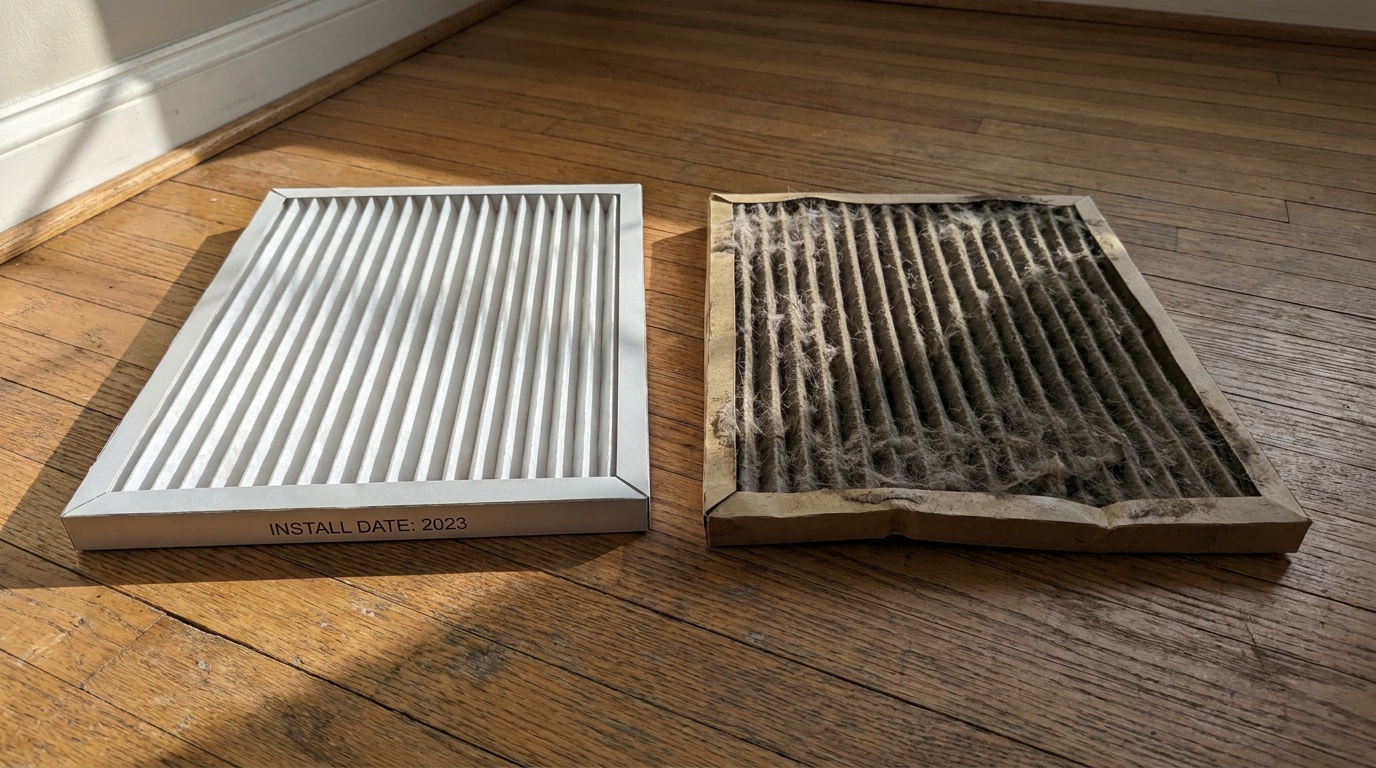
- Replace your air filter. If you haven’t changed it since fall, do it now. A clogged filter forces your system to work 15-20% harder. For most homes, a MERV 8-11 rated filter strikes the right balance between filtration and airflow. In 2026, top-rated options from brands like Filtrete and Nordic Pure are available for $12–$28 per filter.
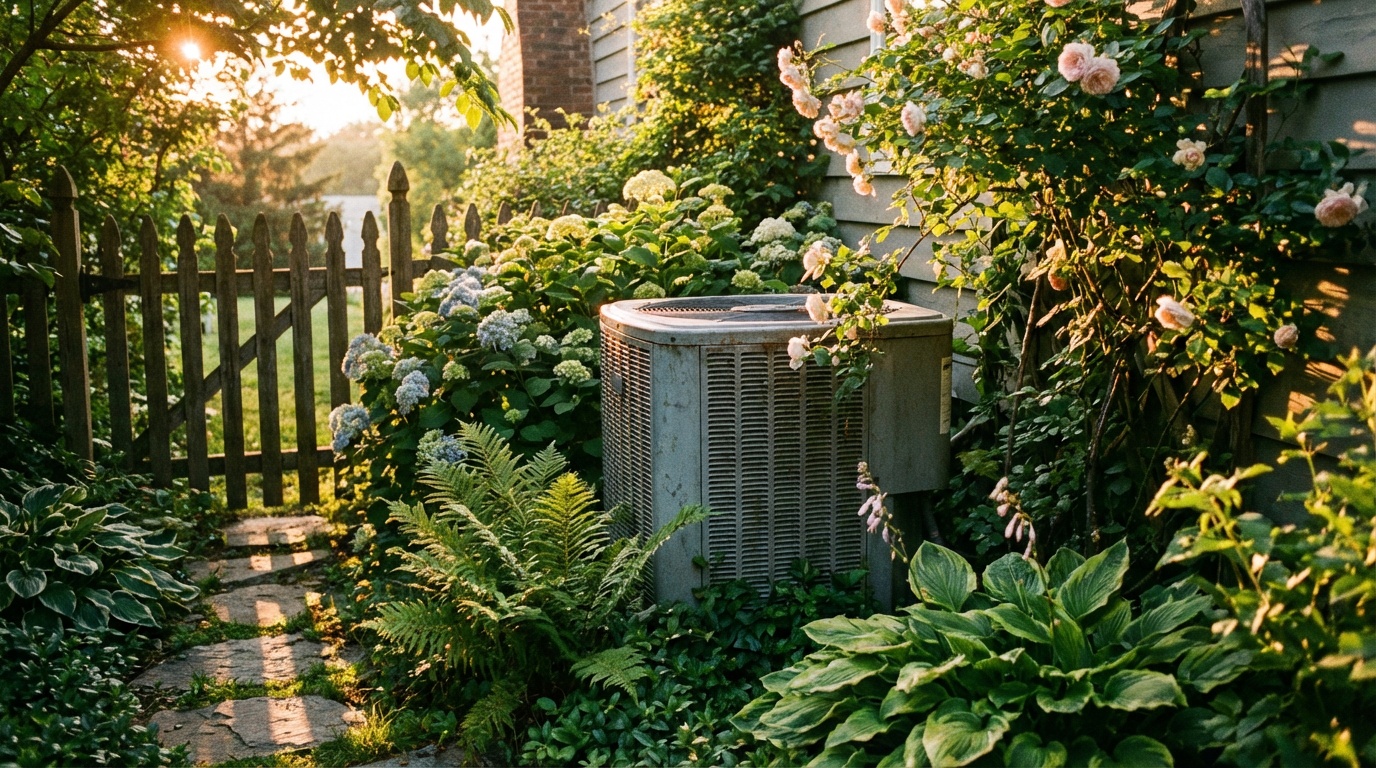
- Clear debris from the outdoor condenser unit. Winter deposits leaves, twigs, and sediment around and inside the unit. Gently rinse the condenser coils from the inside out with a garden hose. Keep at least 18–24 inches of clearance on all sides.
- Check and clean condensate drain lines. Pour a quarter cup of diluted white vinegar or hydrogen peroxide into the drain access point to prevent algae buildup, which causes clogs and water damage.
- Inspect exposed ductwork for visible gaps or damage. Use mastic sealant or metal-backed tape (not standard duct tape) to seal any obvious separations. The EPA estimates that 20-30% of conditioned air is lost through leaky ducts in typical homes.
- Test your thermostat. Switch to cooling mode and verify the system responds accurately. If you’re still using a non-programmable thermostat, 2026 is a great year to upgrade to a smart thermostat — models from Ecobee and Google Nest now integrate with whole-home energy management systems and can reduce cooling costs by 10-15%.
- Inspect all supply and return vents. Remove vent covers and vacuum out accumulated dust. Ensure furniture or rugs aren’t blocking airflow.
- Check refrigerant lines. Look for insulation wear on the suction line (the larger, insulated copper pipe). Damaged insulation reduces efficiency and should be flagged for a technician.
Professional Spring Service: What to Expect
When a certified HVAC technician performs your spring tune-up, they should complete a thorough inspection that goes well beyond what any homeowner can safely accomplish. Ask for a written report of everything checked. Here’s what a quality spring service call should include:
- Measure refrigerant charge levels and check for leaks using electronic leak detection equipment
- Inspect and clean evaporator and condenser coils (dirty coils reduce efficiency by up to 40%)
- Measure electrical current draw on the compressor and fan motors
- Test capacitors and contactors — these small components fail frequently and cost $25–$75 to replace proactively vs. $200+ when they cause a full system shutdown
- Lubricate all moving parts in motors and fans where applicable
- Verify refrigerant line insulation integrity
- Test and calibrate the thermostat
- Measure temperature differential across the evaporator coil (should be 14–22°F)
- Inspect the blower assembly and clean fan blades
- Check all electrical connections for tightness and corrosion
Pro Tip: Ask your technician to check the system’s SEER2 performance — the updated efficiency standard that became the U.S. regulatory baseline in 2023 and continues to be the benchmark in 2026. If your aging system’s real-world efficiency has dropped significantly below its rated SEER2, it may be time for a replacement conversation.
Fall Tune-Up Checklist: Heating Season Prep
Fall maintenance is equally critical — and often even more safety-sensitive, since heating systems involve combustion in many homes. Schedule your fall tune-up between late September and early November, ideally before the first cold snap in your region.
DIY Fall Tasks
- Replace the air filter again. Yes, twice a year is the minimum for most households. Homes with pets, allergies, or high dust levels may need quarterly changes.
- Test your heating system early. Don’t wait for the first cold night. Turn on heat now so you have time to identify and schedule repairs before demand peaks.
- Check and replace thermostat batteries if it uses them. A dead thermostat battery in January is entirely avoidable.
- Bleed radiators (if you have a hydronic heating system). Trapped air in radiators reduces heating efficiency and causes uneven heat distribution. Use a radiator key to release air from each unit until water flows steadily.
- Inspect the area around your furnace or heat pump. Clear any storage that has accumulated within three feet of the unit. Check for proper combustion air supply — furnaces need adequate airflow to operate safely.
- Test carbon monoxide and smoke detectors. The NFPA recommends testing monthly, but fall is a critical milestone before heating season begins. Replace any detector that’s more than seven years old.
- Inspect the flue pipe on your gas furnace or boiler for visible separation, rust, or damage. Any concerns should be inspected professionally before operating the system.
- Check window and door weatherstripping. While not technically HVAC, air sealing directly impacts how hard your heating system works. The U.S. DOE estimates that proper sealing can reduce heating costs by 10–20%.
Professional Fall Heating Inspection
Gas furnace and heat pump inspections involve safety-critical components that must be handled by licensed professionals. A comprehensive fall service should include:
- Combustion analysis: Measure flue gas composition to confirm safe and efficient burn — critical for detecting incomplete combustion and carbon monoxide risk
- Inspect and clean the heat exchanger — cracks in the heat exchanger can allow CO to enter living spaces, a potentially fatal hazard
- Clean and adjust burners for optimal flame pattern
- Test all safety controls including limit switches, pressure switches, and ignition systems
- Inspect and clean the blower motor and wheel
- Test gas valve operation and verify gas pressure
- Inspect the condensate system on high-efficiency furnaces
- For heat pumps: check reversing valve operation, defrost cycle performance, and refrigerant charge
- Test thermostat operation in heating mode across multiple stages if applicable
- Verify proper venting and exhaust for all combustion appliances
“The heat exchanger inspection is non-negotiable. We find cracked heat exchangers in roughly 1 in 200 systems we service — it’s rare, but the consequence of missing one is catastrophic.” — Jennifer Ruiz, Licensed Master HVAC Contractor, Denver CO, 2026
DIY vs. Professional Service: Knowing the Difference
One of the most common questions homeowners ask is: “How much of this can I realistically do myself?” The answer depends on your comfort level, the age of your system, and your willingness to understand what you’re looking at. Here’s a clear breakdown:
Always DIY-Safe: Filter replacement, exterior cleaning, condensate drain maintenance, thermostat battery replacement, vent cleaning, visual inspections, CO detector testing, exterior debris clearing.
DIY with Caution (learn before attempting): Condensate line flushing, sealing minor duct gaps, refrigerant line insulation replacement, smart thermostat installation, radiator bleeding.
Always Call a Professional: Refrigerant handling (legally requires EPA Section 608 certification), heat exchanger inspection, electrical component testing (capacitors, contactors), combustion analysis, gas valve adjustment, any work involving electrical panels or high-voltage components.
A second case study worth considering: Mark, a detail-oriented homeowner in Minneapolis, decided to DIY his furnace inspection in fall 2024. He watched several tutorial videos, cleaned what he could see, and felt confident. What he missed was a failing draft inducer motor that was intermittently tripping a pressure switch. The result was a heating system that cut out repeatedly on the coldest nights of January 2025. A $95 tune-up call would have caught the $340 repair before it became an emergency. The lesson? Enthusiasm is great — but professional diagnostic equipment and trained eyes catch what we can’t.
Cost, Efficiency & ROI: The Numbers That Matter
| Metric | Maintained System | Neglected System | Impact |
|---|---|---|---|
| Average System Lifespan | 18–22 years | 11–14 years | +7 years avg. |
| Annual Energy Cost (avg. home) | $1,280 | $1,640 | $360 higher |
| Emergency Repair Probability | ~12% per year | ~41% per year | 3.4× higher risk |
| Avg. Emergency Repair Cost | $180–$320 | $480–$1,200 | 2.5× higher cost |
| Annual Tune-Up Investment | $85–$175/unit | $0 | Net savings: $250–$600/yr |
Sources: U.S. DOE Residential Energy Reports 2025; ACCA Industry Survey 2025; HVAC.com Cost Benchmarks 2026
Energy Efficiency Gains by Maintenance Task
Not all maintenance tasks deliver equal efficiency improvements. Here’s a data visualization showing the approximate efficiency impact of key maintenance actions:
Efficiency Improvement by Maintenance Action
Bar length represents relative impact score (0–100). Source: DOE/ACCA composite data, 2025–2026.
3 Common HVAC Challenges (and How to Beat Them)
Challenge 1: Uneven Heating and Cooling Across Rooms
This is one of the most frequently reported HVAC complaints — some rooms feel like a sauna while others feel like a walk-in freezer. The causes are varied, but the solutions are knowable. Start with the basics: Are all vents open? Are supply vents unobstructed? Is your filter clean? If those check out, the problem is likely in your duct system — either poor design, leaks, or imbalanced airflow.
A practical fix: ask your HVAC technician to perform a room-by-room airflow measurement during your next service visit. Many use digital flow hoods that measure CFM (cubic feet per minute) at each vent. From there, adjusting dampers in the ductwork — something many homeowners don’t even know exists — can dramatically improve balance. For older homes with fundamentally undersized duct systems, a ductless mini-split system for problem rooms is an increasingly popular 2026 solution, with installation costs starting around $2,800 per zone.
Challenge 2: High Humidity in Summer
Air conditioning does dehumidify as it cools — but it’s not optimized for that function. If your home feels clammy even when the AC is running, your system may be oversized (a counterintuitive but common problem from rushed replacements), or it may be running short cycles that don’t allow adequate dehumidification time.
The fix varies by root cause. An oversized system may need to be replaced or have a variable-speed blower installed to allow longer, slower cycles. A whole-home dehumidifier — integrated directly into your HVAC system — is another highly effective solution that costs $1,200–$2,800 installed and can reduce indoor humidity from uncomfortable 65%+ levels to an ideal 45–55%. In 2026, with increasingly humid summers across the Southeast and Midwest, this investment is becoming more common than ever.
Challenge 3: Short Cycling (System Turning On and Off Rapidly)
If your AC or furnace runs for just a minute or two before shutting off, repeating this cycle frequently, you have a short cycling problem. It’s hard on your compressor, wasteful of energy, and usually symptomatic of something that will worsen without attention.
Common causes include: a clogged air filter (always check first), a frozen evaporator coil (turn the system to “fan only” for a few hours to thaw it, then investigate why it froze), low refrigerant, or a failing thermostat. Some causes — like a malfunctioning pressure switch or a failing capacitor — require professional diagnosis. The good news: if caught early, most short cycling repairs are modest. Left unaddressed, they often lead to compressor failure — the most expensive repair in the HVAC world, typically $1,800–$3,200.
Frequently Asked Questions
How often should I really schedule a professional HVAC tune-up?
The industry standard recommendation — supported by ACCA, ASHRAE, and most major manufacturers — is twice per year: once in spring for cooling season and once in fall for heating season. If you have a heat pump that serves as both your heating and cooling system, this is especially important because it works year-round. Some homeowners with newer systems (2022 or later) and excellent DIY maintenance habits can occasionally extend to annual professional service, but twice yearly remains the optimal schedule for maximizing efficiency, safety, and equipment life. Most HVAC companies offer maintenance plan agreements that provide two annual visits at a discounted combined rate, typically $150–$280 per year for both systems.
What is the single most important thing I can do between professional tune-ups?
Change your air filter consistently. It sounds almost too simple, but a dirty filter is the number-one cause of reduced HVAC efficiency, coil freezing, overheating, and premature system failure. Set a calendar reminder to check your filter monthly. A filter that looks gray or clogged should be replaced immediately, regardless of when you last changed it. Homes with pets, high occupancy, or ongoing renovation work may need monthly changes. A $15 filter changed regularly prevents thousands of dollars in repairs — it’s genuinely that important.
My HVAC system is 14 years old. Should I repair or replace it?
This is one of the most common and consequential decisions homeowners face. A useful rule of thumb: if the repair cost exceeds 50% of the system’s current value, replacement is usually the smarter financial choice. For a 14-year-old system, also consider efficiency: systems made before 2015 often have SEER ratings of 10–13, while 2026 models typically achieve SEER2 ratings of 16–22. At current electricity rates, upgrading from a 12-SEER to an 18-SEER2 system in a moderately sized home can save $400–$700 annually on cooling costs. Additionally, 2026 federal tax incentives — extended under the Inflation Reduction Act provisions — provide a 30% tax credit (up to $2,000) for qualifying high-efficiency heat pump installations. Factor all of this into your repair-vs-replace calculation before making a decision.
Your HVAC Ownership Roadmap: Next Steps
You’ve now got the knowledge — the question is turning it into action. Here’s your practical, immediate roadmap:
- This week: Check your air filter. If it’s gray, replace it today. While you’re at it, test your CO detectors and thermostat operation in both heating and cooling modes.
- Within the next 30 days: Schedule your seasonal tune-up with a NATE-certified HVAC technician. Ask specifically for a written inspection report and confirm they’ll test refrigerant levels, electrical components, and safety controls.
- This season: Walk around your home and identify any blocked vents, visible duct leaks, or areas of uneven comfort. Document your energy bills month-over-month and compare to the same period last year — a meaningful spike is a diagnostic clue.
- This year: If your system is 12+ years old, request an efficiency assessment during your professional tune-up. Ask your technician to calculate whether your operating efficiency has declined meaningfully from its rated performance. Begin researching replacement options if appropriate, particularly given the current tax incentive landscape.
- Ongoing: Set a recurring calendar reminder for filter checks (monthly) and professional tune-ups (April and October). Keep a simple log of all service visits, filter changes, and any unusual observations. This record becomes invaluable for warranty claims, resale disclosures, and diagnosing recurring problems.
As climate conditions intensify and energy costs continue to reflect broader grid pressures, the gap between well-maintained and neglected HVAC systems will only widen — in performance, cost, and indoor comfort. Homeowners who treat their HVAC as the critical infrastructure it truly is will be insulated from the worst of those pressures.
Here’s the bottom line, directed at you specifically: You don’t need to become an HVAC expert — you just need a reliable system, a trusted technician, and a consistent seasonal rhythm. Start with one action from this list today, and you’ll already be ahead of the majority of homeowners. What’s the one step you’re committing to this week?
Article reviewed by Hans Müller, Industrial Architecture & Concrete Restoration Specialist, on May 4, 2026